Easy Aioli Recipe at Home
Highlighted under: Fast Cooking Essentials
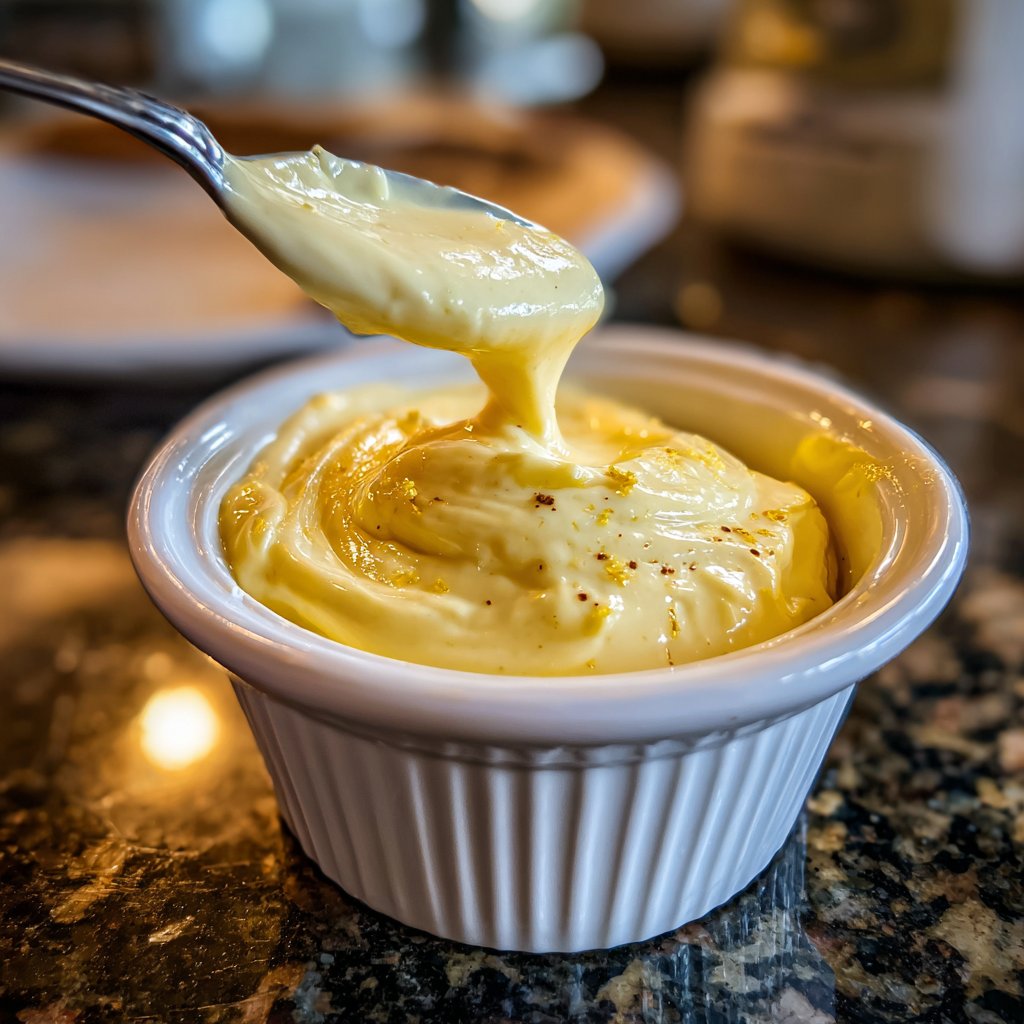
I’ve always been a fan of aioli, but I never thought I could make it myself. After experimenting with different methods, I found one that yields a creamy, garlicky delight every single time. Being able to whip up this sauce at home has been a game changer for my meals. Whether I’m using it as a dip for veggies or pairing it with seafood, the fresh flavors elevate any dish. Plus, it takes just a few simple ingredients to create this culinary masterpiece in under 10 minutes!
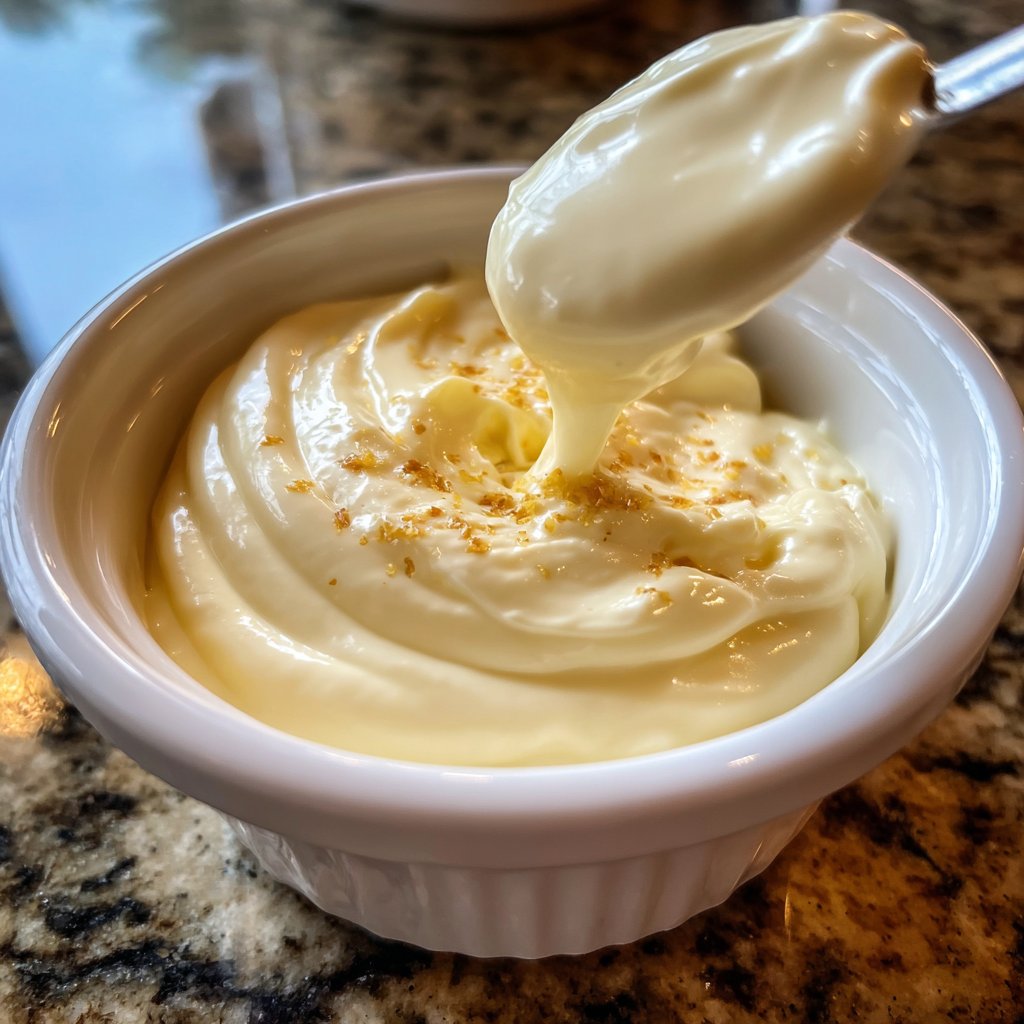
Making aioli at home was a culinary challenge I set for myself, and I couldn’t be happier with the results! After my first attempt, I realized that using fresh garlic really makes a difference in flavor. I also learned that the key to achieving the perfect consistency lies in the slow incorporation of olive oil. By adding it gradually while blending, I was able to create a smooth and luscious sauce.
Over time, I experimented with flavors, adding lemon juice and even herbs. Each variation brings a new twist to the classic aioli, allowing me to customize it based on what I'm serving. This simple recipe has become a staple in my kitchen and impresses friends and family alike!
Why You'll Love This Recipe
- Fresh garlic flavor that adds depth to any dish
- Quick and simple to make with just a few ingredients
- Versatile sauce perfect for dipping or as a condiment
Understanding Aioli's Ingredients
The base of this aioli recipe starts with an egg yolk, which is crucial for creating a smooth emulsion. When whisked, the yolk helps bind the ingredients, giving aioli its signature creamy texture. Try to use the freshest eggs you can find, as they contribute not just to the flavor but also to the overall stability of the sauce. Using pasteurized eggs can add an extra layer of safety if you're concerned about raw eggs.
Dijon mustard is another essential ingredient; it not only adds a subtle tang but also helps with emulsification. The mustard's natural emulsifying properties stabilize the mixture, preventing separation. If Dijon isn’t available, you can use a grainy mustard for a different texture, or even a smooth yellow mustard if that’s all you have on hand.
Lastly, the olive oil is what brings everything together into a luscious sauce. Opt for high-quality extra virgin olive oil for the best flavor, as its taste can significantly impact the final product. In a pinch, you can substitute with other neutral oils, but that will change the distinctive flavor characteristic of traditional aioli.
Mastering the Emulsion Technique
Achieving the perfect emulsion is key to a successful aioli. When you drizzle in the olive oil, make sure to do it slowly – this prevents the mixture from breaking. Start with just a few drops, gradually increasing the flow as the sauce begins to thicken. It’s like building momentum; keeping the food processor running while incorporating the oil is crucial to that glossy finish you’re aiming for.
If at any point the aioli seems to separate rather than hold together, don't panic! You can stir in a teaspoon of warm water to help bring it back together. Alternatively, starting with a fresh egg yolk in a clean bowl and slowly whisking the broken mixture into it can rescue the emulsion and restore that velvety texture.
Another technique tip is to pay close attention to the sounds of the food processor. Once you hear it change from a high-pitched whir to a more consistent hum, it usually indicates that the aioli is thickening properly, and you're on the right path to a beautiful emulsion.
Storing and Serving Your Aioli
Aioli can be stored in an airtight container in the refrigerator for up to a week. Make sure to keep it tightly sealed to maintain its freshness. Before using, it’s a good idea to give it a quick stir, as some separation may occur over time, which is normal due to its natural ingredients. Keep in mind that the flavor may intensify with storage, so adjust your quantities accordingly if serving to guests.
This aioli makes a fantastic dip for raw or roasted veggies, and also works wonderfully as a condiment for grilled meats or seafood. Try slathering it on sandwiches or using it as a base for creamy pasta sauces. If you’re feeling adventurous, consider adding herbs like dill or basil to give your aioli an exciting twist.
For a fun variation, you can infuse your aioli with smoked paprika for a subtle heat and smoky flavor, or incorporate a bit of sriracha for those who enjoy a spicy kick. Get creative and don’t hesitate to experiment; after all, aioli is a versatile sauce that welcomes personalization!
Ingredients
Gather these ingredients to create your homemade aioli:
Ingredients
- 1 egg yolk
- 1 tablespoon Dijon mustard
- 1 cup olive oil
- 2 cloves garlic, minced
- 1 tablespoon lemon juice
- Salt to taste
Make sure all ingredients are at room temperature for the best results.
Instructions
Follow these simple steps to make your aioli:
Blend the Base
In a food processor, add the egg yolk, Dijon mustard, and minced garlic. Blend until combined.
Add Oil Gradually
Slowly drizzle in the olive oil while the processor is running to emulsify the ingredients. This is key to achieving a creamy texture.
Season and Serve
Once the mixture thickens, add the lemon juice and salt. Blend for a few more seconds until well combined. Serve it immediately or refrigerate for later use.
Enjoy your homemade aioli with your favorite dishes!
Pro Tips
- For a twist, try adding different herbs or even infusing your oil with spices before adding it to the mixture.
AIoli Variations
While the classic recipe is always a hit, you can easily adapt aioli to suit your palate. Adding roasted garlic instead of fresh will give your aioli a mellower and sweeter flavor profile. Just roast whole garlic cloves drizzled with olive oil until tender, then mash them into your base ingredients. This simple switch creates a whole new depth of flavor that pairs beautifully with all kinds of dishes.
If you're looking for a more vibrant aioli, try incorporating sun-dried tomatoes or fresh herbs, such as cilantro or parsley. These add color and additional layers of flavor, making your aioli not just a sauce, but a standout component of your meal. Always blend these additions in gradually to achieve the desired consistency.
You can also experiment with different acidity levels by swapping out the lemon juice for lime juice or even vinegar. Each option brings a unique flavor twist and can complement various cuisines, from Mediterranean to Latin American.
Troubleshooting Common Issues
Sometimes, despite your best efforts, things might go awry. If your aioli is too thick, gradually whisk in a little warm water or additional lemon juice until it reaches your desired consistency. Conversely, if it becomes too thin, try adding a bit more olive oil while the processor runs, allowing it to emulsify further.
Over-blending can cause the aioli to become grainy or too loose due to over-aeration. To fix this, re-introduce a fresh egg yolk to the mixture gradually, stirring it gently by hand until you arrive at a smoother texture without overworking it. Always taste as you go to ensure the flavor balance remains intact.
Finally, if the aioli tastes too sharp or overpowering, a pinch of sugar or a touch of honey can help balance the acidity and richness. This simple trick can elevate the taste and make your aioli even more enjoyable!
Questions About Recipes
→ Can I use a blender instead of a food processor?
Yes, a blender can work, but you may need to adjust the speed and add the oil more slowly.
→ How long can I store homemade aioli?
You can store aioli in an airtight container in the fridge for up to one week.
→ Is it necessary to use raw egg yolks?
Yes, raw egg yolks help create the emulsion, but make sure to use fresh, high-quality eggs.
→ Can I make aioli without eggs?
Yes, you can use vegan options like aquafaba, which is the liquid from canned chickpeas.
Easy Aioli Recipe at Home
Created by: Keira Thompson
Recipe Type: Fast Cooking Essentials
Skill Level: Beginner
Final Quantity: 1 cup
What You'll Need
Ingredients
- 1 egg yolk
- 1 tablespoon Dijon mustard
- 1 cup olive oil
- 2 cloves garlic, minced
- 1 tablespoon lemon juice
- Salt to taste
How-To Steps
In a food processor, add the egg yolk, Dijon mustard, and minced garlic. Blend until combined.
Slowly drizzle in the olive oil while the processor is running to emulsify the ingredients. This is key to achieving a creamy texture.
Once the mixture thickens, add the lemon juice and salt. Blend for a few more seconds until well combined. Serve it immediately or refrigerate for later use.
Extra Tips
- For a twist, try adding different herbs or even infusing your oil with spices before adding it to the mixture.
Nutritional Breakdown (Per Serving)
- Calories: 300 kcal
- Total Fat: 33g
- Saturated Fat: 4g
- Cholesterol: 110mg
- Sodium: 120mg
- Total Carbohydrates: 1g
- Dietary Fiber: 0g
- Sugars: 0g
- Protein: 1g